The Custodian of the Two Holy Mosques has approved the holding of the second Holy Quran and Sunnah competition for African countries in the Republic of Senegal.
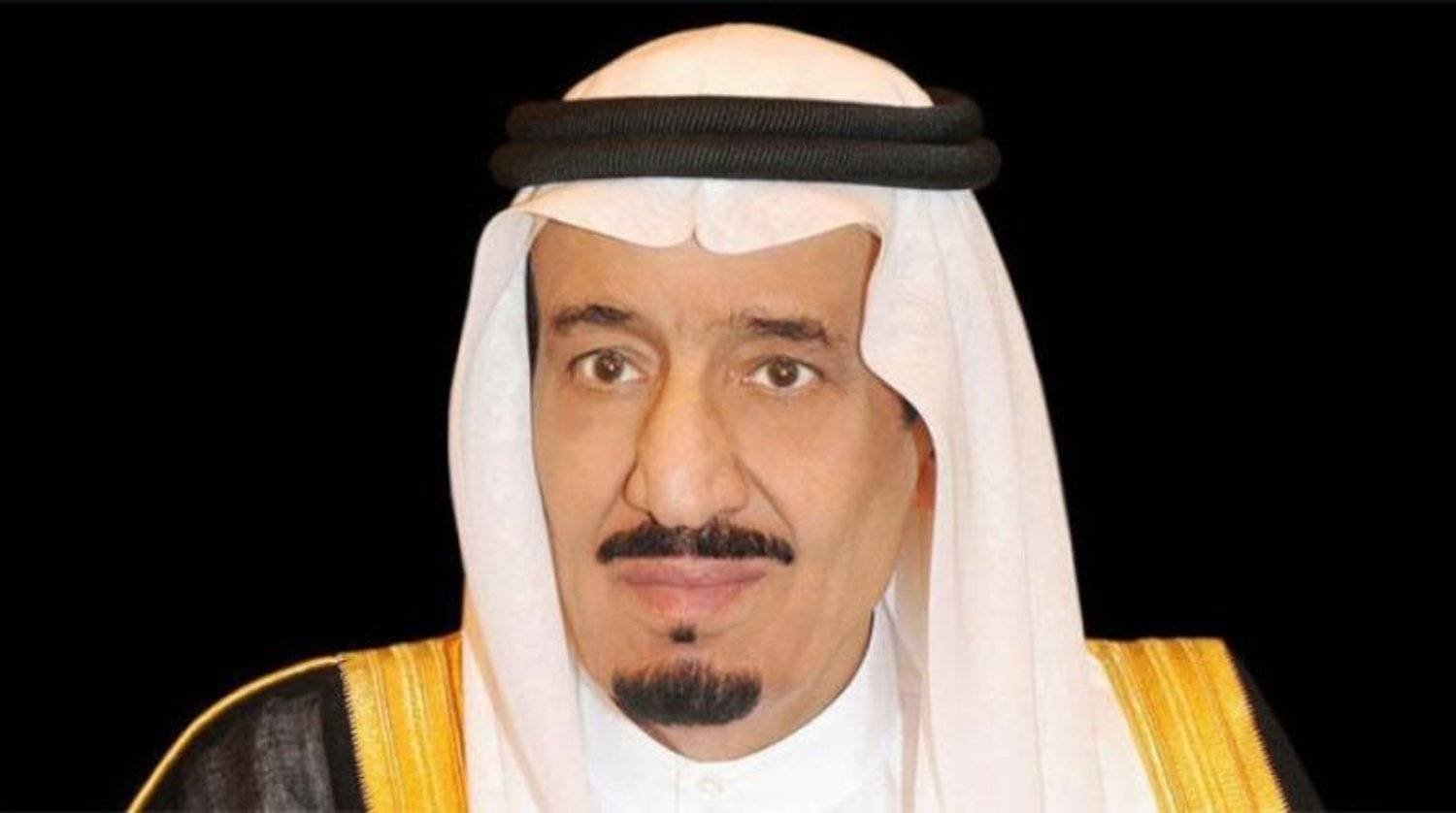
The Custodian of the Two Holy Mosques, King Salman bin Abdulaziz Al Saud, may God protect him, has approved the holding of the second Custodian of the Two Holy Mosques Competition for Memorizing the Holy Quran and the Prophetic Sunnah for African countries. The competition will take place from the 6th to the 11th of Dhu al-Qi’dah 1447 AH in the Republic of Senegal, with the participation of 100 contestants representing 53 African countries.
His Excellency the Minister of Islamic Affairs, Dawah and Guidance, and General Supervisor of Local and International Competitions, Sheikh Dr. Abdul Latif bin Abdulaziz Al Sheikh, expressed his gratitude and appreciation to the Custodian of the Two Holy Mosques and His Royal Highness the Crown Prince, may God protect them both, for their care and attention to the Book of God and the Sunnah of His Messenger, peace and blessings be upon him.
The competition, organized by the Ministry of Islamic Affairs, Dawah and Guidance, represented by the Religious Attaché at the Kingdom’s Embassy in Senegal, in cooperation with the General Authority for Endowments, aims to promote the study and memorization of the Holy Quran and the Prophetic Sunnah among Muslims in African countries, encourage their understanding and reflection on their meanings, instill sound Islamic values in the participants, stimulate a spirit of healthy competition in charitable endeavors, and cultivate a generation committed to moderate Islamic doctrine. It also highlights the pioneering role of the Kingdom of Saudi Arabia in serving Islam and Muslims, its ongoing support for those who memorize the Holy Quran and the Prophetic Sunnah, and strengthens the bonds of brotherhood among Muslim nations.
He emphasized that this competition represents a leading model for strengthening the connection of generations to the Holy Quran and the Prophetic Sunnah, and for instilling the values of moderation and balance. Furthermore, it plays a role in discovering talented individuals in Quran memorization and related sciences, and in showcasing the Kingdom’s efforts in supporting and disseminating programs that serve the Holy Quran and the Sunnah of the Prophet (peace and blessings be upon him) globally.
The competition includes two main categories; The first category pertains to the Holy Quran and includes four subcategories:
Subcategory 1: Memorizing the entire Holy Quran with the ten canonical readings (Qira’at) according to the methods of Ash-Shatibiyyah and Ad-Durrah (both transmission and understanding), with excellent recitation.
Subcategory 2: Memorizing the entire Holy Quran with excellent recitation and proper Tajweed, along with the interpretation of the last ten parts (Juz’), starting from the verse in Surah Al-Ankabut: “And do not argue with the People of the Scripture except in a way that is best, except for those who commit injustice among them” (Al-Ankabut 46) to the end of Surah An-Nas.
Subcategory 3: Memorizing ten parts (Juz’) with excellent recitation and proper Tajweed.
Subcategory 4: Memorizing three parts (Juz’) with excellent recitation and proper Tajweed.
The second category of the competition pertains to the Prophetic Sunnah and includes three subcategories:
Subcategory 1: Memorizing the entire abridged Sahih Al-Bukhari, along with the biography of the Companion (his name, nickname, attributes, and date of death), mentioning a hadith about his virtues, and paying attention to the chapter headings.
The second section: Memorizing the abridged version of Sahih al-Bukhari from the beginning of the book up to Hadith number 1344, including the biography of the Companion and a hadith praising him, while paying attention to the chapter headings.
The third section: Memorizing the abridged version of Sahih al-Bukhari from the beginning of the book up to Hadith number 670, including the biography of the Companion and a hadith praising him, while paying attention to the chapter headings.
Source: WAS